

Aircraft mechanics and aircraft inspectors
Aircraft mechanics maintain and repair aircraft structural, mechanical and hydraulic systems. Aircraft inspectors inspect aircraft and aircraft systems following manufacture, modification or repair.
On This Page
Full NOC Description
Main Duties
- This group performs some or all of the following duties:
- Aircraft mechanics
- Troubleshoot aircraft structural, mechanical or hydraulic systems to identify problems and adjust and repair systems according to specifications, technical drawings, manuals and established procedures
- Repair and overhaul aircraft structural, mechanical or hydraulic systems
- Install or modify aircraft engines and mechanical, hydraulic, flight control, fuel and pneumatic systems
- Dismantle airframes, aircraft engines or other aircraft systems for repair, overhaul and cleaning, and reassemble
- Perform and document routine maintenance
- Order and maintain inventory of parts and supplies.
- Aircraft mechanics usually specialize in working on specific aircraft systems such as engines, engine accessories, airframes, propellers, mechanical components or hydraulic systems and specific kinds of aircraft, such as light aircraft, jet transports and helicopters.
- Aircraft inspectors
- Inspect structural and mechanical systems of aircraft and ensure that these systems meet Transport Canada and company standards of performance and safety
- Inspect work of aircraft mechanics performing maintenance, repair and overhaul, or modification of aircraft and aircraft mechanical systems to ensure adherence to standards and procedures
- Maintain detailed repair, inspection and certification records of aircraft.
Also Known As
- aircraft gas turbine engine technician
- aircraft hydraulics mechanic
- aircraft inspector
- aircraft maintenance engineer (AME) (except avionics)
- aircraft mechanic
Employment Requirements
- Completion of secondary school is required.
- A college diploma in aircraft maintenance or Completion of a four-year apprenticeship program is usually required.
- Several years of on-the-job training are required for aircraft mechanics.
- Aircraft mechanics and inspectors who sign maintenance releases and certify airworthiness require an Aircraft Maintenance Engineer's (AME) licence issued by Transport Canada.
- Trade certification for aircraft maintenance engineers is available, but voluntary, in Saskatchewan, the Northwest Territories and Nunavut.
- Trade certification for aircraft structural technicians is available, but voluntary, in British Columbia.
- Industry certification from the Canadian Aviation Maintenance Council for some occupations in this unit group is available, but voluntary.
- Aircraft inspectors require several years of experience as an aircraft mechanic.
Provincial Regulation
Not Provincially Regulated
The following graph shows the percentage of men and women working in this occupation in New Brunswick.
Data legend
The following graph shows the breakdown of all persons working in this occupation in New Brunswick by age group.
Data legend
The following graph shows the breakdown of all persons working in this occupation in New Brunswick by highest level of education achieved.
Data legend
The following graph shows the industry groups in which the largest shares of persons working in this occupation in New Brunswick are employed. Small percentages for all top three industry groups may suggest employment for this occupation is widely distributed amongst many industry groups.
Data legend
The following graph shows the breakdown of all persons employed in this occupation in New Brunswick by which economic region they reside in.
Data legend
Economic Regions
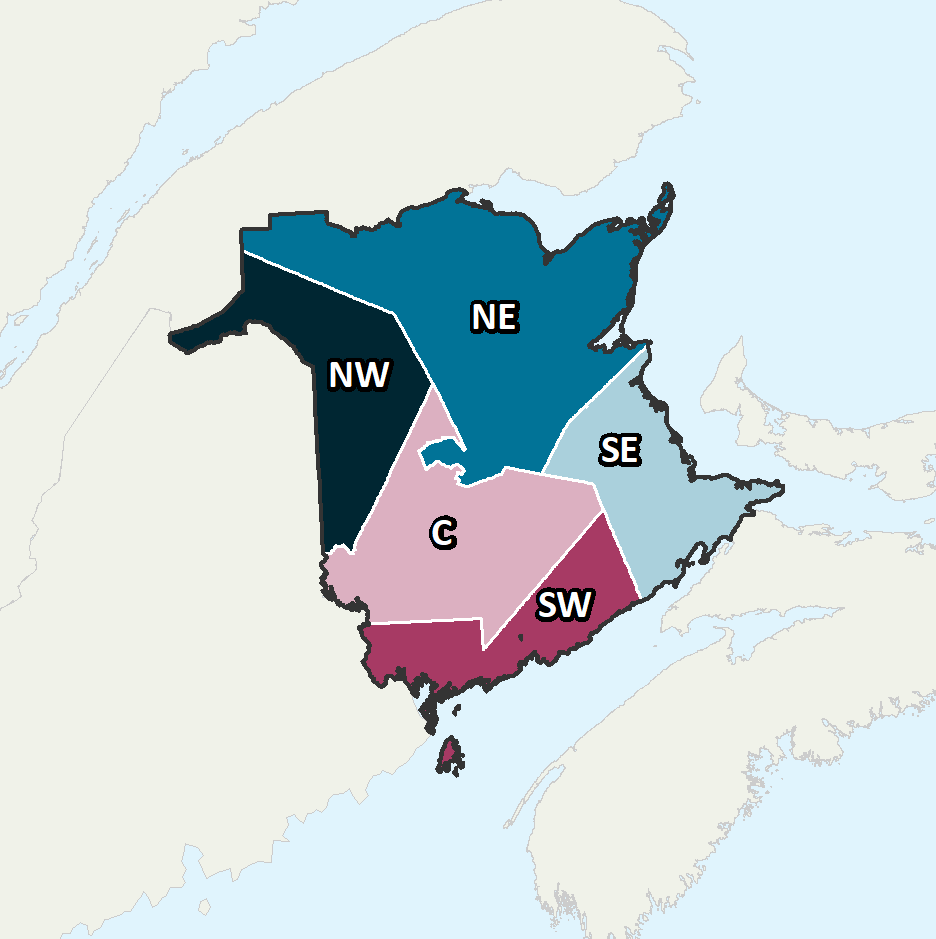
The following map displays New Brunswick’s five economic regions. An economic region (ER) is a grouping of counties, created as a standard unit for analysis of regional economic activity across Canada.
The following graph shows the average salary of all persons employed in this occupation in each of New Brunswick’s five economic regions.
Data legend
Economic Regions
The following map displays New Brunswick’s five economic regions. An economic region (ER) is a grouping of counties, created as a standard unit for analysis of regional economic activity across Canada.
The following represents the median hourly wage of all persons employed in this occupation in each of New Brunswick’s five economic regions.
The following shows the average salary of everyone who worked full-time and year-round in this occupation across each of the Atlantic Provinces and nationally.
The following represents the number of job openings that are expected to occur in this occupation over the next three and ten years respectively, broken down by openings expected to result from growth (“new jobs”) and openings expected to result from attrition (death and retirements).
Share this page
No endorsement of any products or services is expressed or implied.