
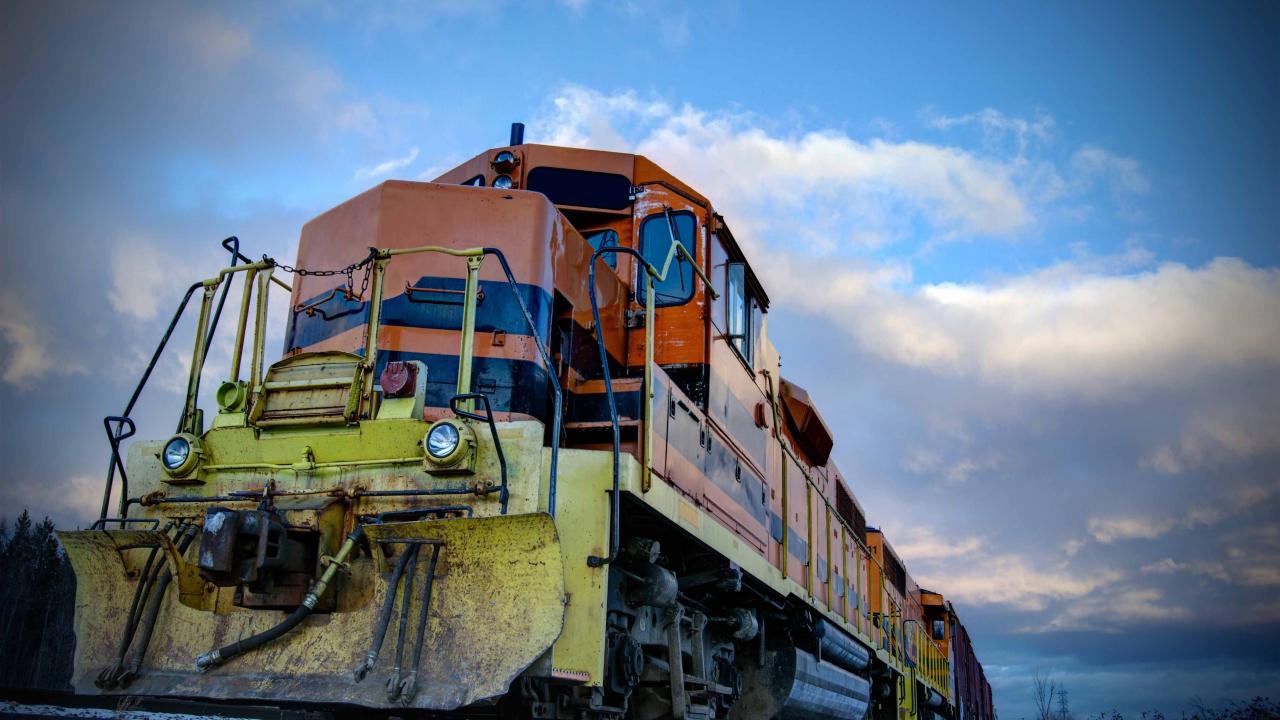
Railway carmen/women
inspect, maintain and repair structural and mechanical components of railway freight, passenger and urban transit rail cars.
On This Page
Full NOC Description
Main Duties
- This group performs some or all of the following duties:
- Inspect interior and exterior components of freight, passenger and urban transit rail cars to determine defects and extent of wear and damage
- Repair and install railway car parts such as compressors, air valves, bearings, couplings, air cylinders and piping
- Repair and maintain electrical and electronic controls for propulsion and braking systems
- Repair defective or damaged metal and wood components, using hand and power tools
- Repair and repaint wooden fixtures
- Replace damaged windows and repair upholstery
- Test and adjust parts using testing gauges and other test equipment
- Perform and document routine maintenance.
Also Known As
- rail vehicle mechanic
- railway car inspector
- railway carman/woman
- railway carman/woman apprentice
- streetcar and subway car mechanic
Employment Requirements
- Completion of secondary school is usually required.
- Completion of an industry-offered apprenticeship program or three to four years of on-the-job training is usually required.
- Trade certification is available, but voluntary, in Ontario, Manitoba and British Columbia.
Provincial Regulation
Not Provincially Regulated
The following graph shows the percentage of men and women working in this occupation in New Brunswick.
Data legend
The following graph shows the breakdown of all persons working in this occupation in New Brunswick by age group.
Data legend
The following graph shows the breakdown of all persons working in this occupation in New Brunswick by highest level of education achieved.
Data legend
The following graph shows the industry groups in which the largest shares of persons working in this occupation in New Brunswick are employed. Small percentages for all top three industry groups may suggest employment for this occupation is widely distributed amongst many industry groups.
Data legend
The following graph shows the breakdown of all persons employed in this occupation in New Brunswick by which economic region they reside in.
Data legend
Economic Regions
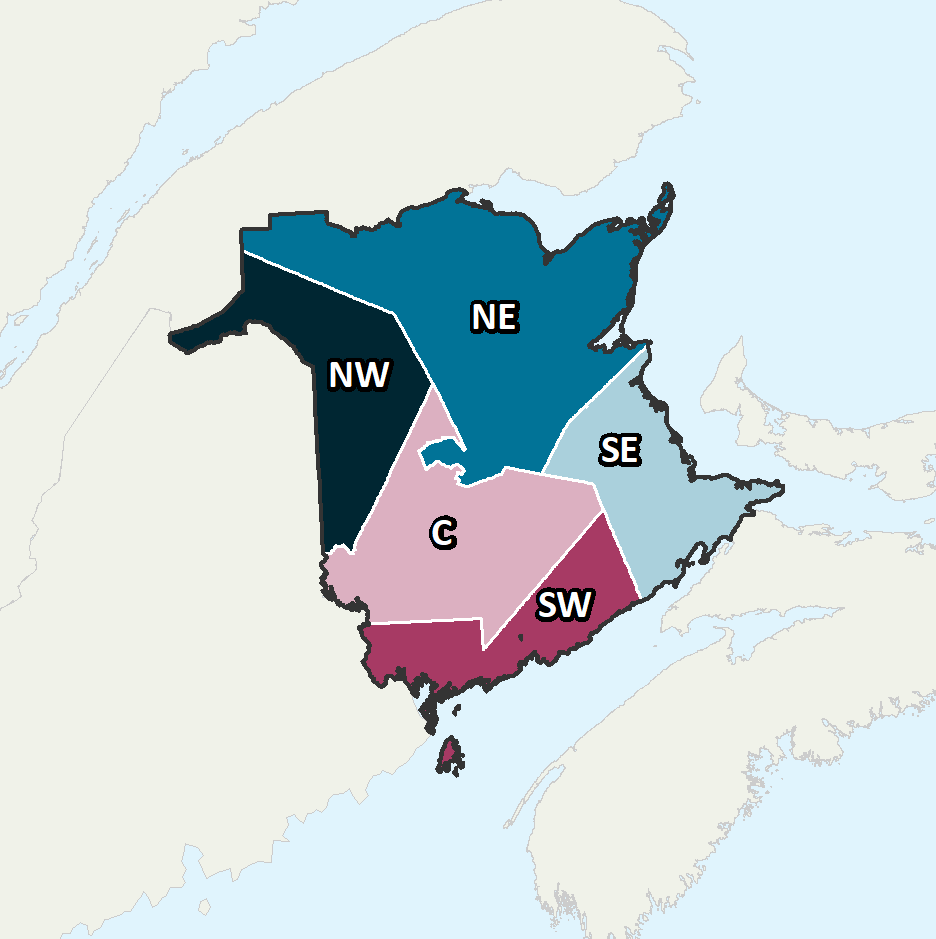
The following map displays New Brunswick’s five economic regions. An economic region (ER) is a grouping of counties, created as a standard unit for analysis of regional economic activity across Canada.
The following graph shows the average salary of all persons employed in this occupation in each of New Brunswick’s five economic regions.
Data legend
Economic Regions
The following map displays New Brunswick’s five economic regions. An economic region (ER) is a grouping of counties, created as a standard unit for analysis of regional economic activity across Canada.
The following represents the median hourly wage of all persons employed in this occupation in each of New Brunswick’s five economic regions.
The following shows the average salary of everyone who worked full-time and year-round in this occupation across each of the Atlantic Provinces and nationally.
The following represents the number of job openings that are expected to occur in this occupation over the next three and ten years respectively, broken down by openings expected to result from growth (“new jobs”) and openings expected to result from attrition (death and retirements).
Share this page
No endorsement of any products or services is expressed or implied.