

Other managers in public administration
manage and evaluate the development of policies that govern the daily operations of legislatures and other activities unique to government, such as intergovernmental affairs and elections.
On This Page
Full NOC Description
Main Duties
- This group performs some or all of the following duties:
- Participate in the development of policies and programs by providing advice to senior government managers of legislatures or departments or agencies involved in activities unique to government
- Organize government unit or agency and establish procedures to meet objectives set by senior management
- Direct and advise professional and non-professional staff conducting research, preparing documents or providing administrative support
- Plan, administer and control research and administration budgets for projects, programs, equipment and supplies
- Organize and direct committees and working groups to plan, manage or evaluate projects and programs
- Interview, hire and provide training for staff.
Also Known As
- clerk of the committee - Legislative Assembly
- elections planning director
- federal-provincial relations director
- intergovernmental affairs director
Employment Requirements
- A bachelor's degree in a social science discipline, law or business administration is required.
- Several years of experience in government policy development, research or program administration, or in a professional occupation in social science, law or business administration are usually required.
Provincial Regulation
Not Provincially Regulated
The following graph shows the percentage of men and women working in this occupation in New Brunswick.
Data legend
The following graph shows the breakdown of all persons working in this occupation in New Brunswick by age group.
Data legend
The following graph shows the breakdown of all persons working in this occupation in New Brunswick by highest level of education achieved.
Data legend
The following graph shows the industry groups in which the largest shares of persons working in this occupation in New Brunswick are employed. Small percentages for all top three industry groups may suggest employment for this occupation is widely distributed amongst many industry groups.
Data legend
The following graph shows the breakdown of all persons employed in this occupation in New Brunswick by which economic region they reside in.
Data legend
Economic Regions
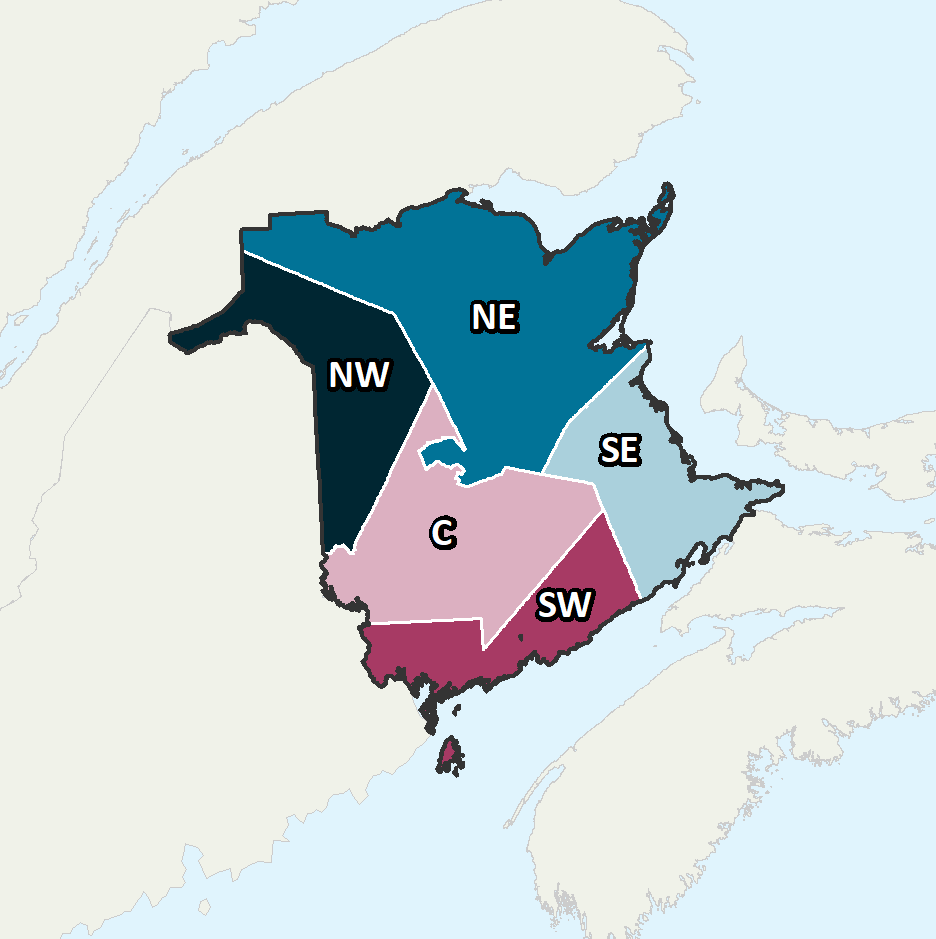
The following map displays New Brunswick’s five economic regions. An economic region (ER) is a grouping of counties, created as a standard unit for analysis of regional economic activity across Canada.
The following graph shows the average salary of all persons employed in this occupation in each of New Brunswick’s five economic regions.
Data legend
Economic Regions
The following map displays New Brunswick’s five economic regions. An economic region (ER) is a grouping of counties, created as a standard unit for analysis of regional economic activity across Canada.
The following represents the median hourly wage of all persons employed in this occupation in each of New Brunswick’s five economic regions.
The following shows the average salary of everyone who worked full-time and year-round in this occupation across each of the Atlantic Provinces and nationally.
The following represents the number of job openings that are expected to occur in this occupation over the next three and ten years respectively, broken down by openings expected to result from growth (“new jobs”) and openings expected to result from attrition (death and retirements).
Share this page
No endorsement of any products or services is expressed or implied.